The Most Painful Dental Emergencies and How Dentists Treat Them

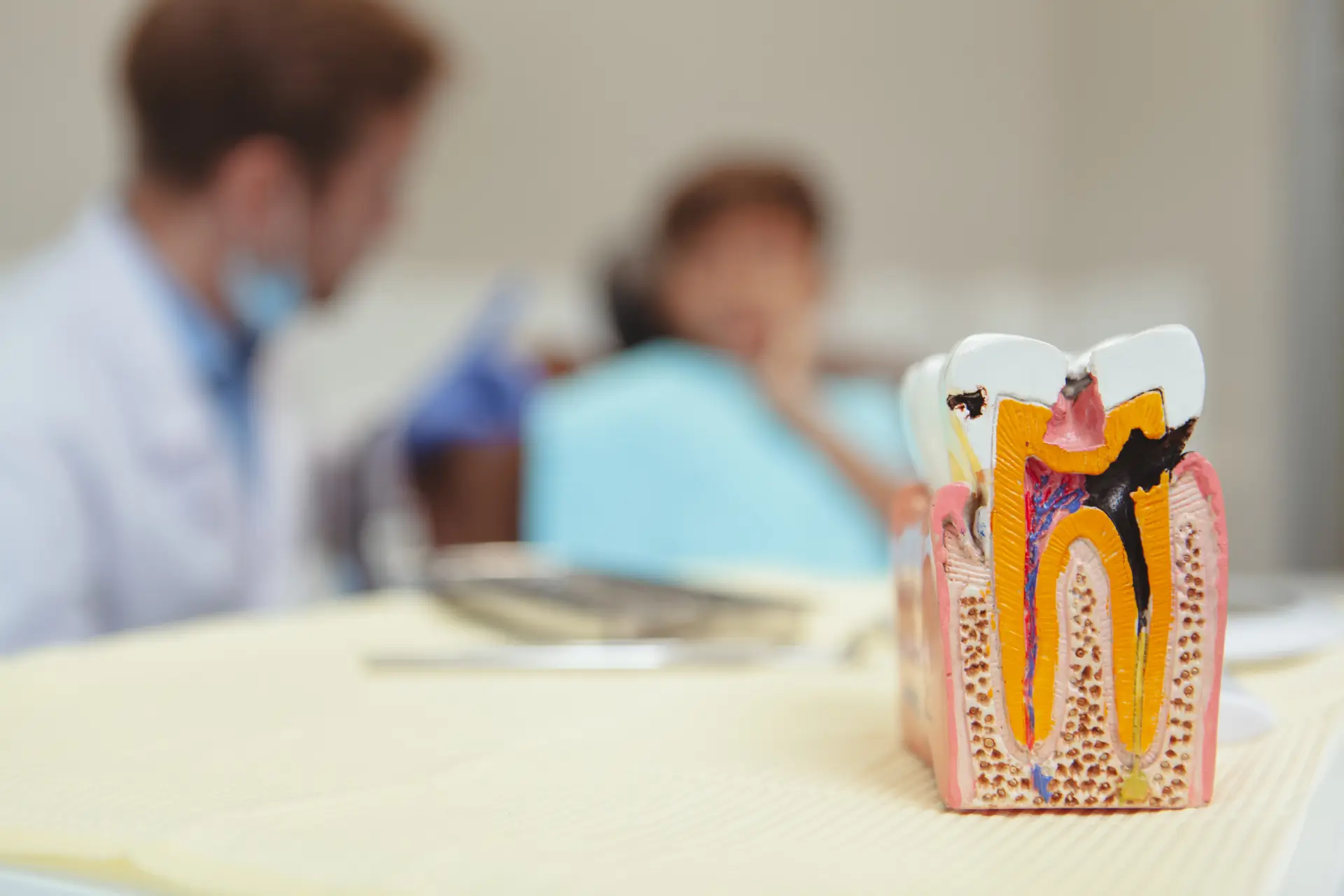
Some kinds of pain make people pause. Dental pain makes people pace.
That difference matters. A true dental emergency has a way of taking over the body. Patients do not just describe discomfort. They talk about throbbing that keeps time with their heartbeat, pressure that climbs into the eye or ear, a jolt so sharp they cannot drink water, or the sick, dull ache of swelling that seems to spread by the hour. In practice, the most painful cases are rarely subtle. They arrive with urgency, poor sleep, skipped meals, and a look on the patient’s face that says the pain has already outlasted their tolerance.
Not every toothache is a dental emergency, but the ones that are tend to share three features. They escalate quickly, they interfere with basic function such as eating or speaking, and they carry risk if ignored. The pain is not the whole problem. Infection can spread. Trauma can damage nerves and supporting bone. A cracked tooth can go from salvageable to hopeless in a very short window.
The most useful thing patients can understand is this: pain relief is only part of treatment. Dentists first determine what is actually causing the pain, then remove the source, protect the tooth or surrounding tissue if possible, and watch for complications. The exact steps depend on the kind of emergency.
Why dental pain can become so intense
Teeth are small structures, but the tissues inside and around them are remarkably sensitive. The pulp, which contains nerves and blood vessels, sits inside a hard shell of enamel and dentin. When inflammation builds there, it has nowhere to expand. That is one reason tooth pain can feel so fierce and unrelenting. Pressure rises in a confined space, and every thermal change or bite can trigger the nerve.
Then there is the surrounding anatomy. A lower molar infection can radiate into the jaw and ear. An upper tooth can refer pain into the cheek or beneath the eye. Inflamed ligaments around a tooth can make even light contact feel unbearable. Add swelling, difficulty opening the mouth, or a fever, and the picture becomes more serious.
Pain is also deceptive. The tooth that hurts may not be the one at fault. It is common for people to swear a top tooth is the problem when the source is a lower molar, or vice versa. This is why dentists rely on examination, percussion tests, temperature testing, mobility checks, and radiographs rather than symptoms alone.
The abscessed tooth, often the worst pain patients describe
A dental abscess is one of the clearest examples of a true dental emergency. It usually begins with bacterial invasion, often from deep decay, a leaking old filling, a cracked tooth, or advanced gum disease. Once bacteria reach the pulp and the tissue inside the tooth dies, infection can move through the root tip into the surrounding bone and soft tissue.
Patients often describe the pain as deep, throbbing, and impossible to ignore. It may wake them from sleep. Chewing becomes difficult. The gum may swell, the face may puff on one side, and the tooth can feel taller than the others because inflammation around the root makes biting feel off. In some cases, there is a bad taste if pus drains, which can temporarily reduce pressure but does not solve the infection.
Treatment depends on whether the tooth can be saved and how far the infection has spread. The first priority is drainage and control of the source. If the tooth is restorable, root canal treatment is often the definitive answer. The dentist accesses the pulp chamber, removes infected tissue, disinfects the canals, and later seals them. If the tooth is too damaged to restore, extraction may be the safer option. When there is significant swelling, the dentist may make a small incision to help drain the abscess.
Antibiotics have a role, but patients often overestimate it. They are not a substitute for dental treatment. If the infection is confined and can be drained, many cases improve only when the source is removed. Antibiotics are more clearly indicated when there is facial swelling, fever, lymph node tenderness, cellulitis, or a patient whose immune system is compromised. The mistake that creates trouble is relying on medication while delaying the actual procedure.
There are also red flags that move a dental infection beyond routine urgent care. Trouble swallowing, difficulty breathing, swelling that spreads under the jaw or toward the eye, increasing lethargy, or fever with rapid progression requires immediate medical evaluation. Those are not wait until Monday situations.
When a tooth nerve is inflamed but not yet dead
Some of the most severe pain comes before an abscess forms. Irreversible pulpitis is the classic example. This is inflammation of the dental pulp that has reached a point where the tissue cannot recover. Patients often report lingering pain after hot or cold, spontaneous aching without obvious stimulus, or waves of pain that make it hard to think straight. A person may not see swelling, and the tooth may look almost normal, which can be confusing.
From a clinical standpoint, this is one of the harder emergencies for patients because it feels urgent, but the face may not yet be swollen and they may wonder if they are overreacting. They are not. The nerve is in trouble, and the pain can be extraordinary.
Dentists usually treat this with either emergency root canal therapy or extraction, depending on the condition of the tooth and the patient’s goals. Sometimes, in a very inflamed tooth, achieving full numbness is harder than expected, especially in lower molars. That surprises patients, but it is a real phenomenon. Inflamed tissue changes local anesthetic performance. Experienced clinicians often adjust technique, use supplemental injections, and work patiently to gain adequate anesthesia.
A point worth stressing is that over the counter pain medication may blunt this kind of pain, but often not completely. That is because the source is pressure and inflammation inside the tooth. Temporary relief is not the same as resolution.
Cracked teeth, a sharp pain with a narrow margin for delay
A cracked tooth can produce some of the most peculiar and memorable pain in dentistry. Patients often say, “It hurts when I bite, but worse when I let go.” That release pain is a clue. The crack opens slightly under pressure and shifts again when the bite is released, irritating the pulp or periodontal ligament.
Not every cracked tooth is a dramatic fracture you can see in the mirror. Many are subtle. They may begin as craze lines in heavily restored teeth, then progress after years of clenching, grinding, or biting something unexpectedly hard. Popcorn kernels, olive pits, hard candy, and even crusty bread have all played a role in stories heard chairside.
Treatment varies widely because the prognosis depends on the depth and direction of the crack. A crack limited to the crown may sometimes be stabilized with a bonded restoration or a crown. If the pulp has become inflamed, root canal treatment may be needed before the crown. If the crack extends below the gumline or splits the tooth in a way that compromises the root, extraction may be the only predictable option.
This is where timing matters. A tooth that is painful but structurally salvageable on Friday can be a lost cause weeks later if the crack propagates. The pain may even come and go, which tricks people into waiting. Intermittent pain is still pain with a message.
Broken teeth and lost restorations, less dramatic in appearance than they feel
A broken filling or fractured cusp can expose dentin, trap food, and alter the way the bite lands. When that happens, every chew can drive force into an already irritated area. If the break is near the nerve, cold air alone can trigger a sharp response. Some patients come in holding a tissue over the tooth because even breathing in through the mouth stings.
Dentists treat these emergencies by first figuring out whether the pulp is merely irritated or irreversibly damaged. If the break is limited and the nerve is healthy, smoothing rough edges and placing a sedative or definitive restoration can provide fast relief. If the fracture is extensive, a crown may be recommended once the tooth is stabilized. If the nerve is exposed or dying, root canal treatment enters the picture.
A lost crown or filling is not always painful, but it can become urgent quickly if the underlying tooth is weak or sensitive. Temporary dental cement from a pharmacy can sometimes protect a crown that has come off, but that is a stopgap, not a repair. Recementing or replacing the restoration depends on the fit, the condition of the tooth, and whether recurrent decay is present.
Knocked out teeth, where minutes change the outcome
A tooth that is completely knocked out, especially a permanent front tooth, is one of the few dental emergencies where what happens before the patient reaches the office can dramatically affect the prognosis. This is most common in sports injuries, falls, bike accidents, and rough contact injuries at school or home.
If the tooth is a baby tooth, it is generally not replanted because doing so can damage the developing permanent tooth. A permanent tooth is different. The cells on the root surface begin losing viability quickly once they dry out. The best outcomes occur when replantation is immediate or very fast, ideally within minutes.
Here is the practical advice dentists give in these situations:
- Pick up the tooth by the crown, not the root.
- If it is dirty, rinse it briefly with milk or saline, or with clean water for only a moment.
- If possible, place it back in the socket and hold it there gently.
- If replanting is not possible, store it in milk or inside the cheek if the person is old enough to do that safely.
- Get to a dentist or emergency clinic immediately.
In the office, the dentist evaluates the socket, gently repositions the tooth if needed, and stabilizes it with a flexible splint attached to neighboring teeth. Radiographs help assess the root and surrounding bone. Follow up is critical because even a successfully replanted tooth may later need root canal treatment, and the long term risk of root resorption is real. Still, fast action can be the difference between saving and losing the tooth.
Teeth pushed out of position or loosened by trauma
Not all traumatic dental injuries involve a tooth coming all the way out. A tooth can be intruded into the bone, extruded partway out, or laterally displaced. These injuries are painful because they stretch or crush the periodontal ligament and often bruise the bone. The patient may also have cuts to the lips or gums and a bite that no longer fits.
Treatment is based on position, mobility, root development, and associated fractures. A slightly displaced tooth may be repositioned and splinted. An intruded tooth, especially in a younger patient, may sometimes reerupt on its own, though severe cases can require orthodontic or surgical management. If the nerve supply is compromised, root canal treatment may follow later.
One of the more important points after trauma is that the first appointment is not the whole story. Teeth can look acceptable right after an injury and then fail over time. Color changes, persistent tenderness, loss of vitality, and root resorption may emerge months later. That is why dentists schedule follow up visits instead of treating trauma as a one and done event.
Severe gum and periodontal emergencies
People often associate severe dental pain with the tooth itself, but periodontal emergencies can be every bit as miserable. A periodontal abscess, for instance, can form in a deep gum pocket and create localized swelling, a bad taste, pain on biting, and rapid tenderness. Unlike an endodontic abscess that starts inside the tooth, this begins in the supporting tissues.
Acute necrotizing gingival conditions are another distinct and painful category. Patients may present with bleeding gums, foul odor, cratered papillae between the teeth, and pain so severe that brushing becomes intolerable. Stress, smoking, poor nutrition, recent illness, and immune compromise are common contributors.
Treatment here is less about drilling and more about debridement, irrigation, antimicrobial support in selected cases, and careful follow up. Dentists clean out the area, reduce the bacterial load, manage pain, and address the underlying periodontal issue. If plaque and calculus remain or if a deep pocket continues to trap infection, symptoms tend to recur.
Wisdom tooth infections, common and often underestimated
A partially erupted wisdom tooth can create a pocket under the gum flap where food and bacteria collect. The resulting infection, often called pericoronitis, is notorious for causing pain at the back of the jaw, swelling, a bad taste, and difficulty opening the mouth. Patients frequently assume they have an ear infection or a sore throat because the pain radiates and swallowing may feel uncomfortable.
Mild cases may settle with irrigation, careful cleaning, and short term symptom management. More painful cases sometimes require antibiotics if there is spreading infection or systemic involvement. If the wisdom tooth has poor eruption potential, repeated episodes are common, and extraction is often the definitive treatment. This is one of those situations where temporary improvement can lull people into postponing care, even though the anatomy keeps recreating the same problem.
Dry socket, pain after the extraction that seems out of proportion
A dry socket, or alveolar osteitis, is one of the most intensely painful post operative dental emergencies. It usually appears a few days after a tooth extraction, especially after lower wisdom tooth removal. Instead of a stable blood clot protecting the bone during healing, the clot dislodges or breaks down too early, leaving the socket exposed.
Patients often say the extraction seemed fine at first, then the pain surged and began radiating along the jaw or toward the ear. The socket can look empty or appear to contain debris. There is often a bad odor or taste. Importantly, dry socket is painful, but it is not the same thing as a spreading infection.
Treatment is aimed at comfort and local healing. Dentists gently irrigate the socket to remove debris and may place a medicated dressing to soothe the exposed bone. That dressing often provides dramatic relief within minutes. Pain control, smoking avoidance, and careful home instructions follow. The area is then reassessed until symptoms settle. Antibiotics are usually not the main answer unless there are separate signs of infection.
Facial swelling and the emergency beyond the tooth
The part of a dental emergency that worries clinicians most is not always the tooth. It is what the infection or injury is doing to the surrounding spaces. Facial swelling under the jaw, near the eye, or into the floor of the mouth changes the level of concern. So does fever, malaise, or difficulty swallowing.
A patient once may think they are “just swollen,” but from a medical standpoint, dentists are watching for airway risk and deep space infection. These cases may require drainage, antibiotics, imaging, and sometimes hospital management. The important message is simple. When dental pain is paired with rapidly increasing swelling or systemic illness, treatment should not be delayed.
What dentists actually do at an emergency visit
Many patients arrive expecting either a prescription or a quick patch. Sometimes that happens, but a proper emergency dental visit is more deliberate than that. The dentist needs to identify the source, and several different problems can create similar pain.
A typical urgent evaluation includes a focused history, visual exam, percussion and palpation, gum measurements when needed, tests for vitality Dental Emergency or cold response, bite assessment, and radiographs. If trauma is involved, soft tissue examination matters too because tooth fragments can lodge in the lip or cheek. If swelling is present, the dentist assesses its location, extent, and whether the patient has systemic symptoms.
From Dental Emergency there, treatment may be definitive that day or staged. A pulpotomy or pulpectomy may be done to reduce nerve pressure. An abscess may be drained. A tooth may be splinted, temporarily restored, adjusted out of the bite, or extracted. The plan depends not just on the diagnosis but also on practical factors such as whether the tooth is restorable, whether the patient can open wide enough for treatment, and whether the infection has reduced the effectiveness of local anesthesia.
That last point deserves honesty. In severe lower molar infections, numbness can be difficult to achieve on the first attempt. Skilled dentists know this and adapt, but patients should not interpret a difficult anesthesia case as careless care. Inflamed tissue is simply more challenging.
What to do before you can get to the dentist
The period between the onset of severe pain and the dental appointment is where people make choices that help or hurt. There is useful first aid, and there are habits that create complications.
The safest immediate steps are these:
- Rinse gently with warm salt water if the area is irritated or draining.
- Use a cold compress on the outside of the face for swelling, not heat.
- Take over the counter pain relief as directed on the label, if medically appropriate for you.
- Keep the area as clean as possible, even if you need to brush gently around it.
- Do not place aspirin, clove oil concentrates, or other home remedies directly on the gum.
The last item comes from experience. Chemical burns from so called pain relief tricks are common enough that dentists see them regularly. Aspirin against the gum can leave the tissue white and sloughing. Very strong essential oils can irritate already inflamed mucosa. The better route is ordinary pain control, external cold for swelling, and prompt professional care.
The cases that should never wait
Some symptoms cross the line from urgent to immediate. If a patient calls with severe swelling under the jaw, trouble breathing, trouble swallowing, fever with worsening facial swelling, uncontrolled bleeding after trauma or extraction, or a knocked out permanent tooth, the advice is not to monitor overnight. It is to seek care right away.
Pain tolerance varies from person to person, so intensity alone is not the only guide. A patient with moderate pain and increasing swelling may be at greater risk than a patient with sharp pain from a fractured cusp. Context matters. That is why the term dental emergency should be tied to both symptoms and consequences, not just how dramatic the pain feels.
The best treatment is often the one done early
The cruel part of dental emergencies is that many begin as manageable problems. A small cavity becomes pulpitis. A tiny crack becomes a split tooth. Mild gum inflammation around a wisdom tooth becomes recurrent infection. Waiting is understandable, especially when symptoms ebb for a day or two, but in dentistry the quieter phase is often temporary.
Dentists do not just treat pain. They treat biology and mechanics. They remove infected tissue, seal pathways for bacteria, reduce unstable bite forces, drain pressure, and restore function. When those steps happen early, treatment is often simpler, less invasive, and less expensive. When they happen late, the range of options narrows.
For patients, the most practical takeaway is not to diagnose the exact problem at home. It is to recognize the pattern. Pain that wakes you, swelling, trauma, prolonged temperature sensitivity, pain on biting, a bad taste with tenderness, or a tooth that has moved or broken significantly all justify urgent evaluation. Severe dental pain is rarely random. It usually points to a problem that dentists can identify and treat, often with far more relief than people expect once the real source is addressed.
Vitality Dental
Address: 1220 Coit Rd #106, Plano, TX 75075
Phone number: +19726454100
FAQ About Dental Emergency
What can the ER do for a tooth?
An emergency room (ER) can manage pain and treat severe infections with medication, but it cannot fix or pull a tooth.
What is considered a dental emergency?
A dental emergency is any oral health problem that involves severe pain, uncontrollable bleeding, or an infection that threatens your health or requires immediate care to save a tooth.
Is there a 24-hour dental service in Plano, TX?
There is no physical dental clinic in Plano, Texas, that stays open with walk-in staff 24 hours a day, but several offices offer 24/7 phone support, late-night hours, or same-day emergency care.